
A waqf, which is an Arabic term for endowment, refers to a form of perpetual charitable giving. It entails the donation of a fixed asset that can generate financial returns or provide some form of benefit.
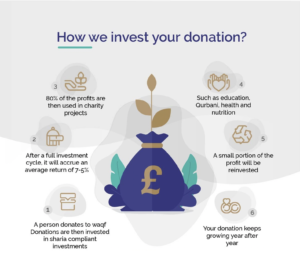
The proceeds of advantages generated from waqf are allocated to specific groups of beneficiaries. When Muslims give waqf, they usually donate property, land, or money without the intention of reclaiming the gained value. A charitable trust may manage the donated assets.
In addition to this, waqf can raise funds by creating a cash-waqf, which is a loan portfolio developed from the value of the waqf fund based on Islamic principles. Although Muslims seldom make significant donations of cash-waqf, the influential World Fiqh Council has recently issued a religious ruling that supports the legitimacy of cash-waqf.
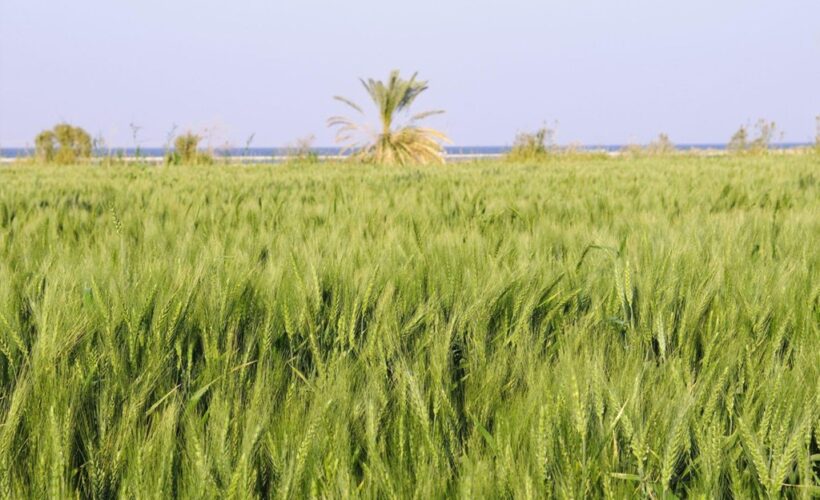
The underlying principle of waqf is that the asset remains intact. For instance, a field that is given as waqf may be utilized by communities in a beneficial manner, such as by cultivating crops on it. The land itself remains intact and can continue to benefit the community for generations. With regard to loan portfolios, the loans must be fully recovered, and loss-equalizing reserves must be established.
Nearly two decades ago, the Al Huda Way Organization initiated the provision of waqf as a donation method. Discover how a simple donation can produce perpetual benefits with the International Waqf Fund.
The history of waqf in the Islamic world
Based on numerous hadiths, which are accounts of the Prophet Muhammad (peace be upon him), and drawing on similar elements from pre-Islamic cultures, the particular fully-formed legal structure of Islamic endowment appears to have originated in the ninth century.
With the support of Islamic waqf law, foundations for learning institutions and hospitals were firmly established throughout the Islamic world by the tenth century. By the following century, many Islamic cities boasted several waqf-funded hospitals.
These institutions financed various expenses, such as salaries for doctors, ophthalmologists, surgeons, chemists, pharmacists, domestics, and other personnel. They also covered the costs of food, medicine, hospital equipment such as beds, and building repairs.
Waqf trusts also provided funding for medical schools, with the revenue used to cover expenses such as building maintenance and the payment of teachers and students.